
 Range and localities [?]:
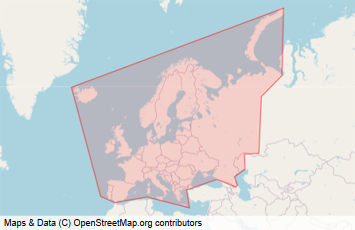
 widespread in Europe, relatively many microspecies in Germany
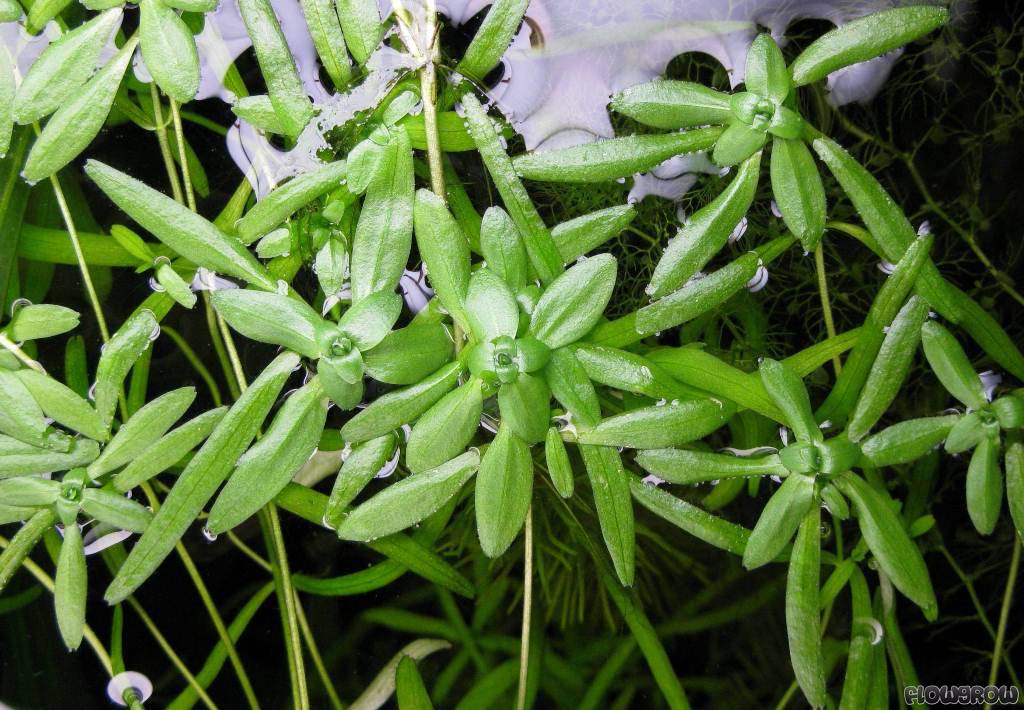
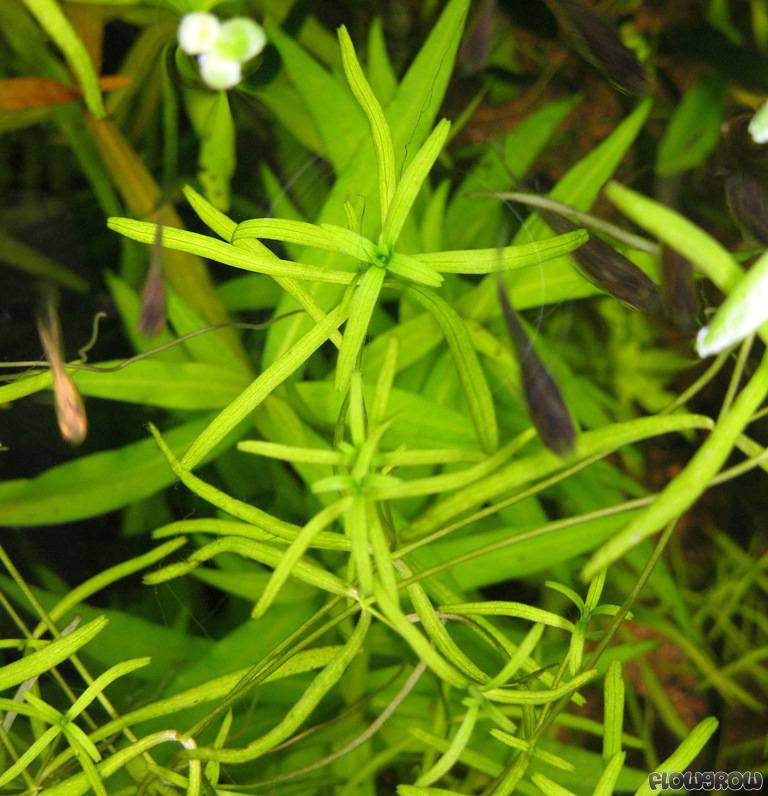
Most European water starwort species (genus Callitriche) belong to a species group named after the species Callitriche palustris. Plant species that differ only slightly and are very closely related are often grouped together as so-called microspecies into groups called aggregates (abbreviation: agg.).
The species of the Callitriche palustris aggregate are collectively difficult to identify; for this one mostly needs the tiny, inconspicuous flowers and fruits. In addition, the leaves are very variable in size and shape depending on conditions. The microspecies that gives the group its name, the marsh or vernal water starwort (C. palustris, synonyms C. verna, C. vernalis), is mentioned most often, but in Germany it is not found more frequently than some other species such as Callitriche stagnalis (pond water starwort) or C. obtusangula (blunt-fruited water starwort).
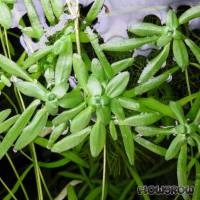
The water starworts of this species group are delicate aquatic plants with thin stems and light green, soft, oppositely arranged leaves. When growing completely submerged, they mostly form more or less linear, narrow submersed leaves. When the shoots reach the water surface, the leaf shape changes, and the shoot tip develops into a floating rosette with densely arranged, broader, often ovate or spatulate floating leaves.
Two water starworts occurring in Germany do not belong to the C. palustris species group: Callitriche hermaphroditica (= C. autumnalis) and C. truncata subsp. occidentalis. They differ from the other water starworts, among other things, in that they grow only under water, have transparent leaves and do not form floating rosettes.
Water starwort species are often found as extensive, dense cushions in the shallow, standing to fast-flowing water of ditches, pools, springs, brooks and small rivers. In summer the characteristic floating rosettes are usually visible. Submersed stands can look at first glance like a green-leaved Rotala rotundifolia. Some species also colonise very small waterbodies, such as puddles on forest tracks.
If the site dries out or the plants are washed ashore, they form a compact, creeping land form lying flat on the ground, often with roundish, very small leaves.
Callitriche species are often mentioned in aquarium literature but are hardly used in the hobby, apart from the North American Callitriche terrestris, which has been used in the USA for some years. Water starwort labelled as Callitriche palustris often enters the pond plant trade, but not the aquarium trade. However, there is much to suggest that at least some species of the C. palustris aggregate native to Germany can be cultivated permanently in the aquarium, even at normal aquarium temperatures of over 20 °C.
- To be continued -
<a href="https://www.flowgrow.de/db/aquaticplants/callitriche-palustris-agg" target="_blank"><img alt="Callitriche palustris agg." title="Callitriche palustris agg." src="https://www.flowgrow.de/db/widget/aquaticplants/callitriche-palustris-agg" /></a>
[url=https://www.flowgrow.de/db/aquaticplants/callitriche-palustris-agg][img]https://www.flowgrow.de/db/widget/aquaticplants/callitriche-palustris-agg[/img][/url]
[widget=aquaticplants/callitriche-palustris-agg]Callitriche palustris agg.[/widget]