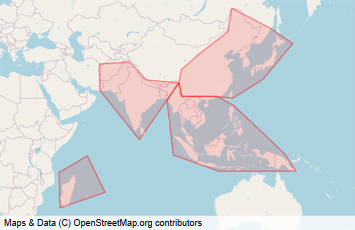
 Range and localities [?]:
Tropical to warm-temperate Asia, tropical Africa


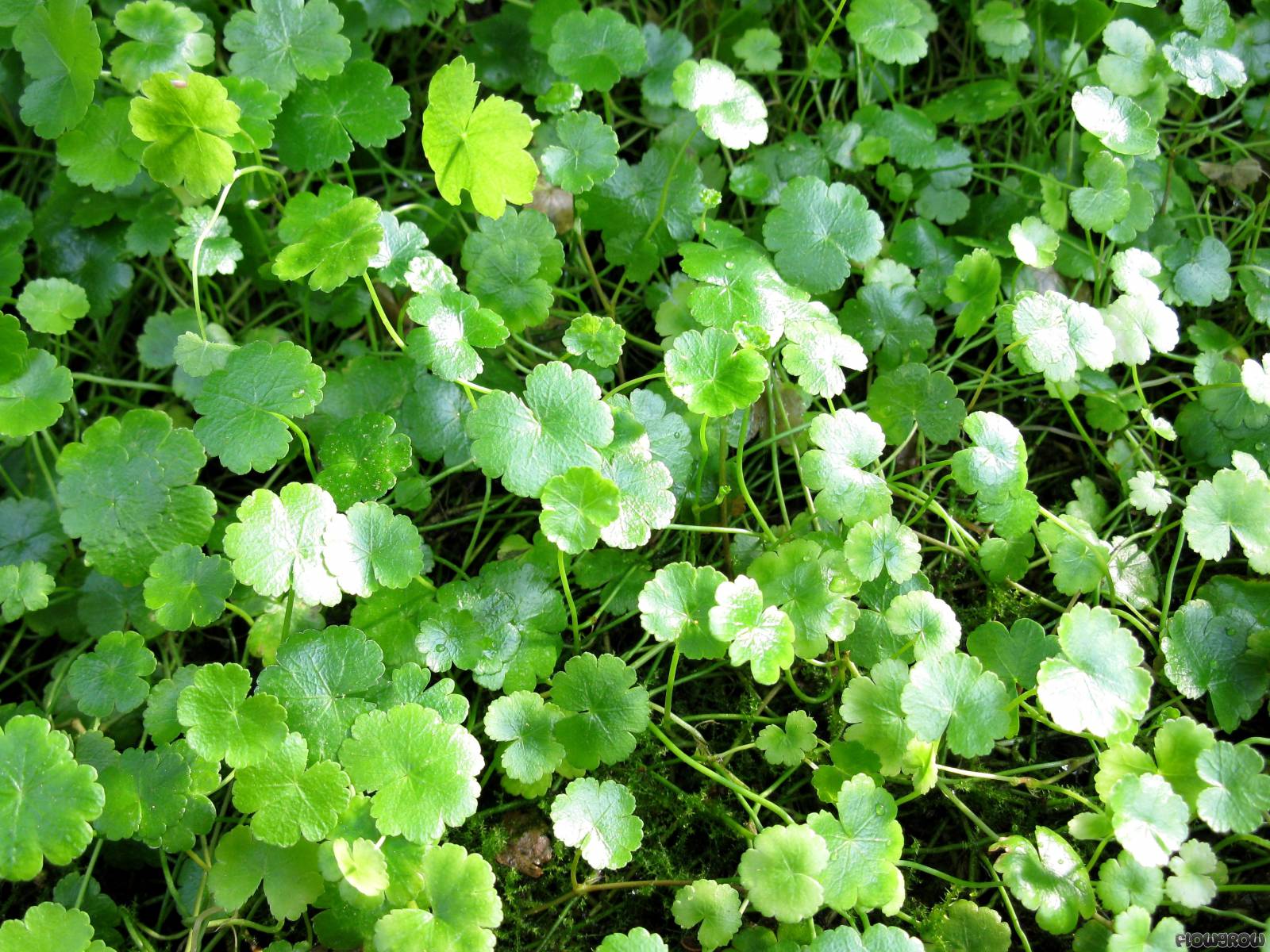
Hydrocotyle sibthorpioides, or lawn pennywort, is a low-growing creeping plant native to the Asian and African tropics, which has been introduced into many of the world's warmer climates. It is highly adaptable and can live on dry land as well as in waterbodies. It is considered an invasive weed in lawns, boggy areas and on the banks of small rivers and rivulets in many regions.
In trade, it is often sold under the name "Hydrocotyle maritima". However, in botanic literature (e.g. "Flora of China"), the name H. maritima is not used as a synonym of H. sibthorpioides, but of another species, namely Hydrocotyle ramiflora. The trade name "H. maritima" is also used for another pennywort used in aquarium (see Hydrocotyle cf. tripartita).
The leaves of H. sibthorpioides are similar to those of Brazilian pennywort (Hydrocotyle leucocephala) but are a lot smaller (between 1 and 2 cm wide). The shoots of H. sibthorpioides, like those of H. leucocephala, grow above the ground - another thing the two species have in common. The shoots of whorled pennywort (Hydrocotyle verticillata),however, also grow as rhizomes inside the substrate.
In the aquarium, Hydrocotyle sibthorpioides is a demanding plant with a trailing growth. It requires lots of light to grow healthily and to reach its maximal size. For successful cultivation, CO2 injection is also a must (20-30 mg/l), as well as the regular supply of nitrate, phophate, iron and micronutrients. A high phosphate level helps to prevent green spot algae from forming on the leaves. Hydrocotyle sibthorpioides cannot be cultivated in tanks with low light and no CO2 supplemented as it would decay and die there. In strongly lit tanks and abundant CO2 and nutrient supply this species may develop into a very fast grower.
Propagating Hydrocotyle sibthorpioides isn't difficult at all as it throws many lateral shoots, which can be cut off and re-planted, as with all stem plants. Emersed cultivation,e.g. outdoors during the warm months, you can get a large number of cuttings for your tank, as the plant grows even faster when cultivated above the waterline. In that case, small white inconspicuous flowers and green infrutescences are likely to appear, too.
This pennywort also grows as terrestrial plant on moderately moist soil without any problems but rather like a weed, which makes it an ideal ground cover for brightly lit terraria and paludaria and even as potted plant for brightly lit windowsills.
Hydrocotyle sibthorpioides is a wonderful fore- and middleground plant in the aquarium. Its very special, light greyish green colour makes it a beautiful contrast to other foreground plant. It can grow quite densely and also upwards, which makes regular trimming necessary to maintain its beautiful form. When planting, just place some shoots in the middle of the area you want it to grow, weigh them down with some smaller pebbles, and they will establish there. After planting, H. sibthorpioides will grow slowly for some time, but after a while its growth will speed up, and the plant may require trimming at regular intervals so no neighbouring plants are overgrown.
Hydrocotyle sibthorpioides is a demanding plant in the aquarium, with a tendril-like growth habit. It needs a lot of light to thrive and to reach its maximum size. CO2 supply is also necessary for cultivating this species (20-30 mg/l). Nitrate, phosphate, iron and micronutrients must likewise be fertilised regularly. A high phosphate content helps to keep green spot algae off the leaves. Hydrocotyle sibthorpioides cannot be kept in tanks with little light and without CO2 supply, as it would fall apart or die off. In tanks with strong lighting and an abundant supply of CO2 and nutrients, however, this species can grow extremely fast.
Propagation of Hydrocotyle sibthorpioides is not difficult, as it forms many side shoots, and these can be separated and replanted, as with all stem plants. Through emersed cultivation, e.g. outdoors during the summer, large numbers of cuttings for the aquarium can be grown on, as it grows much faster emersed than submersed. The small, inconspicuous white flowers and green fruit heads then also often appear.
Since this pennywort grows without problems, and almost weed-like, as a land plant even on only moderately moist soil, it is excellently suited as a ground cover in bright terrariums and paludariums, and also as a houseplant in a bright spot by the window.
References and further reading:Hydrocotyle sibthorpioides looks very good in the foreground and midground of an aquarium. With its distinctive light grey-green colour it forms a good contrast to other foreground plants. It can also form dense stands and grow upwards, but should then be trimmed more often to maintain an attractive appearance. When placing it in the aquarium, some shoots in the middle of the intended spot can be weighed down with a few small stones and will root there. Initially this plant may grow slowly, but over time it gains in growth rate, so that regular trimming may be necessary so that it does not overgrow neighbouring plants.
References and further reading:<a href="https://www.flowgrow.de/db/aquaticplants/hydrocotyle-sibthorpioides" target="_blank"><img alt="Hydrocotyle sibthorpioides" title="Hydrocotyle sibthorpioides" src="https://www.flowgrow.de/db/widget/aquaticplants/hydrocotyle-sibthorpioides" /></a>
[url=https://www.flowgrow.de/db/aquaticplants/hydrocotyle-sibthorpioides][img]https://www.flowgrow.de/db/widget/aquaticplants/hydrocotyle-sibthorpioides[/img][/url]
[widget=aquaticplants/hydrocotyle-sibthorpioides]Hydrocotyle sibthorpioides[/widget]